19751 E Smoky Hill Rd #A, Centennial, CO 80015

A child’s earliest dental experiences play a powerful role in shaping how they view oral health for the rest of their lives. For many adults who struggle with dental anxiety, the root of that fear can often be traced back to a negative childhood experience. Pediatric dentistry exists to prevent that cycle. Pediatric dentists are specially trained not only to care for developing teeth but also to nurture confidence, trust, and emotional comfort in young patients from infancy through adolescence.
Creating positive dental experiences is not accidental—it is intentional, thoughtful, and rooted in years of specialized education. Pediatric dentists understand that children are not simply “small adults.” Their emotional development, communication styles, sensory sensitivities, and coping skills are vastly different, and successful care requires an approach that honors those differences at every stage.
A Child-Centered Environment Designed for Comfort
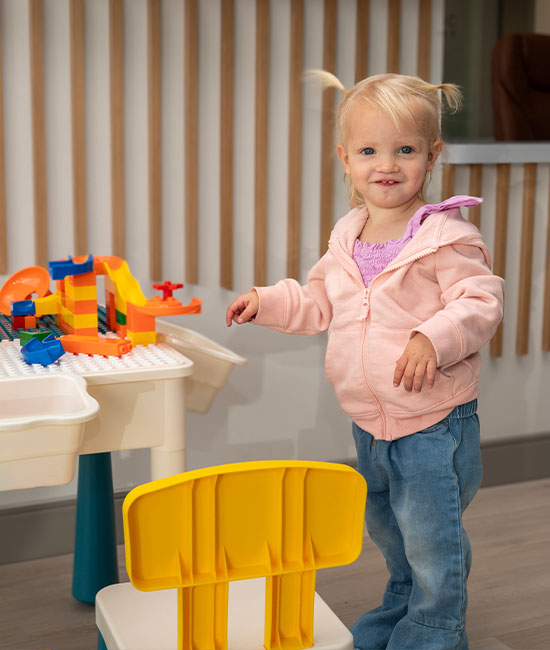
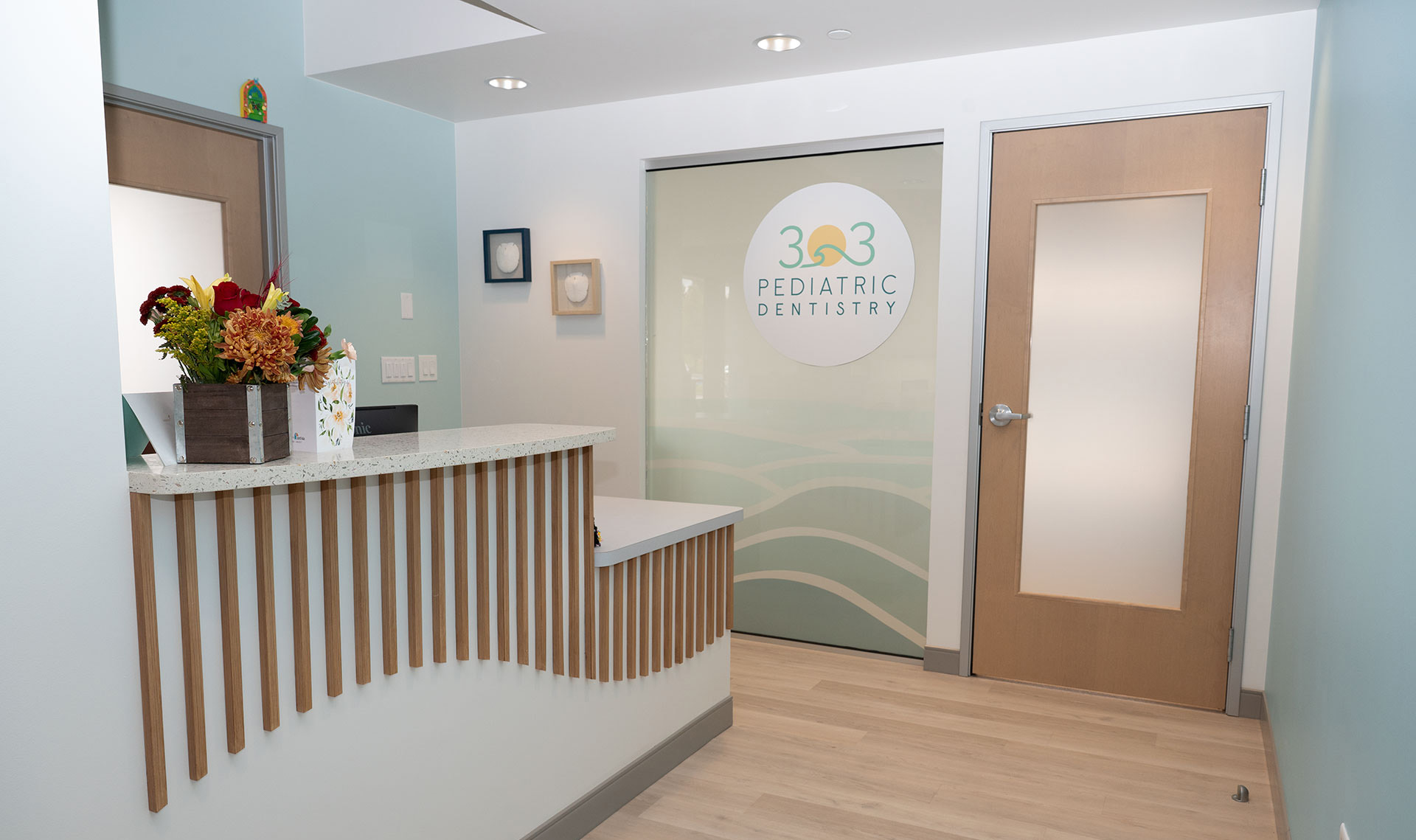
From the moment families walk into a pediatric dental office, the environment itself sets the tone. Unlike traditional dental settings, pediatric practices are designed to feel welcoming rather than clinical. Bright colors, friendly décor, and age-appropriate entertainment help children feel at ease before their appointment even begins. This visual warmth reduces fear and signals to children that this space was created just for them.
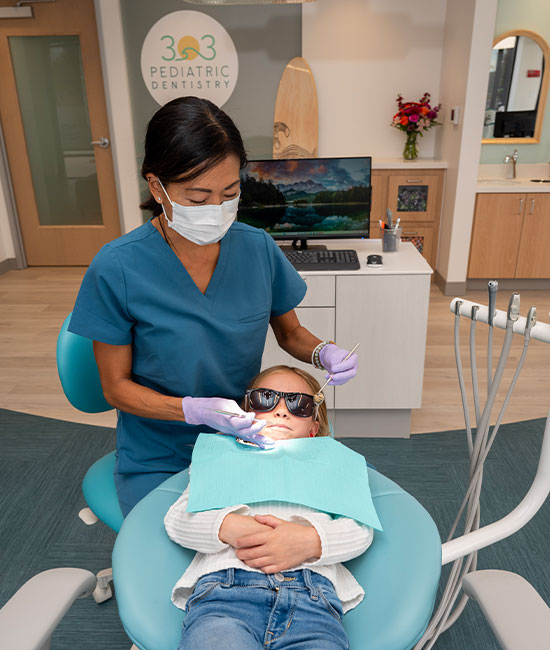
The front desk staff and dental team play an equally important role. Pediatric dental professionals are trained to greet children by name, speak at eye level, and use gentle, encouraging language. These small but meaningful interactions help establish trust immediately, especially for children who may feel nervous or overwhelmed in new environments.
Communication That Builds Trust Instead of Fear
One of the most important tools pediatric dentists use is language. Children process information differently than adults, and certain words can unintentionally create fear. Pediatric dentists are trained to explain procedures using non-threatening, age-appropriate terms that help children understand what is happening without causing anxiety.
Instead of focusing on what might hurt or feel uncomfortable, pediatric dentists emphasize what children will see, hear, or feel in a neutral or positive way. This approach, often called “tell-show-do,” allows children to become familiar with dental instruments and procedures gradually. By showing a child how a tool works on a model or their fingernail before using it in their mouth, the dentist removes the element of surprise and builds confidence.
This thoughtful communication helps children feel respected and involved, rather than passive or powerless. When children understand what to expect, they are far more likely to cooperate and feel proud of themselves after the visit.
Behavior Guidance Techniques That Empower Children
Pediatric dentists rely on evidence-based behavior guidance techniques to help children navigate dental visits successfully. Positive reinforcement is one of the most effective methods. Praising a child for sitting still, opening wide, or asking questions reinforces confidence and encourages continued cooperation.
Offering simple choices—such as which flavor toothpaste to use or which cartoon to watch—can also make a big difference. These small decisions give children a sense of control, which is especially important in a setting where they may otherwise feel vulnerable.
For younger children, distraction techniques such as music, storytelling, or visual entertainment can help shift focus away from the procedure. Pediatric dentists are skilled at recognizing when a child needs reassurance, a break, or a change in approach, ensuring that the visit remains positive and productive.
Supporting Anxious Children with Compassion and Patience
Dental anxiety is common among children, particularly those who have had limited exposure to healthcare environments or who are naturally sensitive. Pediatric dentists are trained to identify signs of anxiety early and respond with patience rather than pressure.
For anxious children, pediatric dentists may recommend shorter initial visits that focus solely on building familiarity with the office and staff. These “get-to-know-you” appointments allow children to explore the space, sit in the dental chair, and ask questions without undergoing treatment. Over time, this gradual exposure helps reduce fear and builds trust.
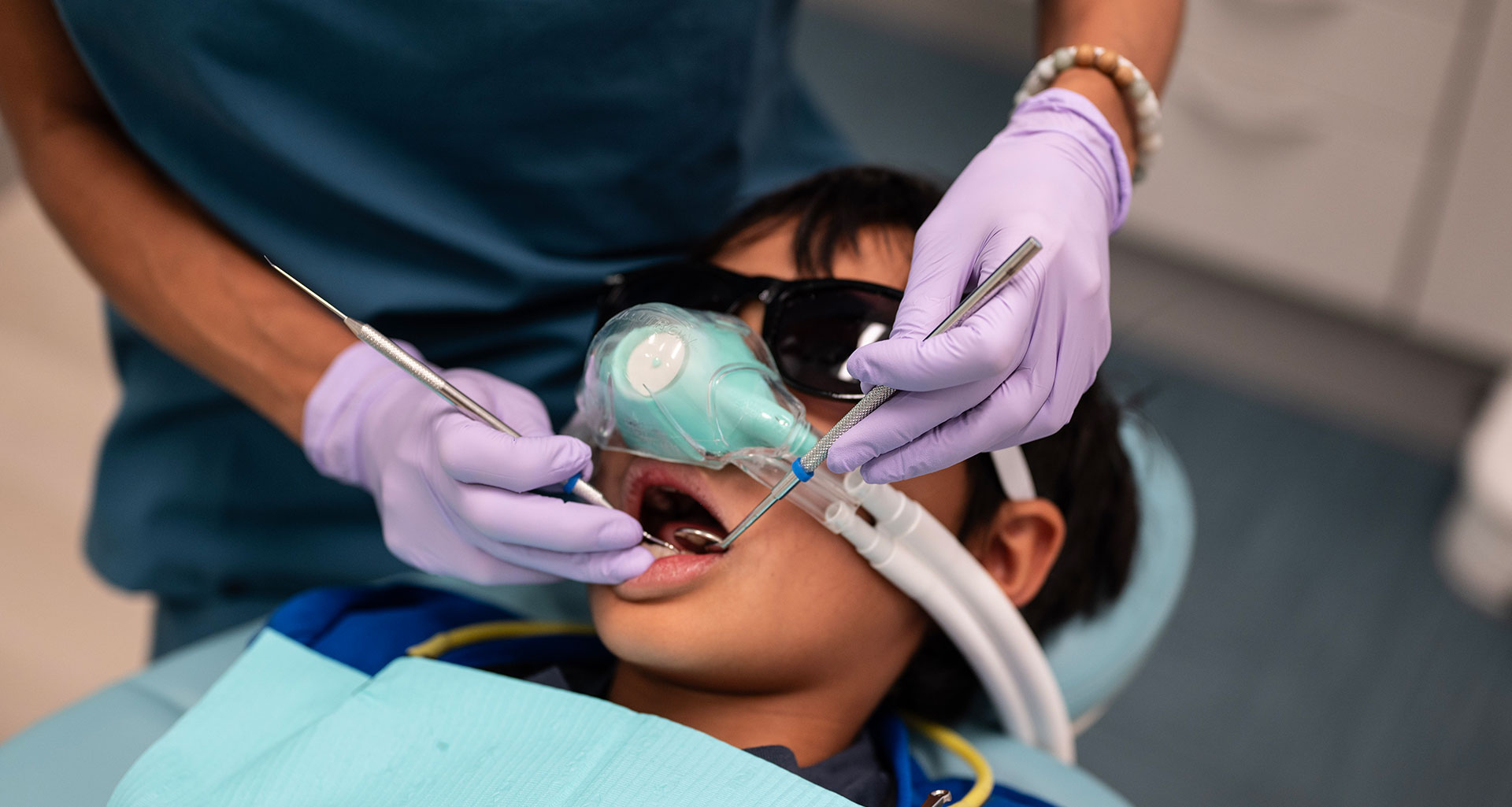
In cases where more extensive treatment is necessary, pediatric dentists work closely with parents to discuss comfort options, including local anesthesia or sedation when appropriate. The goal is always to ensure the child feels safe, supported, and cared for throughout the process.
The Parent-Dentist Partnership
Positive pediatric dental experiences are built through collaboration between the dental team and parents. Pediatric dentists view parents as partners in their child’s oral health journey. Open communication, transparency, and education are central to this relationship.
During visits, pediatric dentists take time to explain findings, discuss treatment options, and answer questions. Parents receive guidance on brushing techniques, nutrition, oral habits, and ways to reinforce positive dental experiences at home. When parents feel informed and confident, children are more likely to feel calm and supported.
Pediatric dentists also encourage parents to model positive attitudes toward dental care. Children are highly perceptive and often mirror their parents’ emotions. A calm, encouraging presence can make a significant difference in how a child experiences a dental visit.
Building Lifelong Healthy Habits
Beyond immediate care, pediatric dentists focus on the long-term impact of positive dental experiences. Children who feel comfortable at the dentist are more likely to maintain regular checkups, practice good oral hygiene, and seek care promptly when issues arise.
By teaching children how to brush and floss properly in a fun, engaging way, pediatric dentists help establish habits that last well into adulthood. These early lessons promote independence and responsibility, empowering children to take ownership of their oral health.
Positive experiences also reduce the likelihood of dental avoidance later in life. Adults who had supportive pediatric dental care are far less likely to delay treatment or experience severe dental anxiety.
Confidence That Extends Beyond the Dental Chair
The benefits of positive pediatric dental experiences extend far beyond oral health. When children successfully navigate a dental visit, they build confidence in their ability to handle new and sometimes challenging situations. This sense of accomplishment can influence how they approach other healthcare visits and life experiences.
Pediatric dentistry is ultimately about nurturing the whole child. By combining clinical expertise with empathy, patience, and understanding, pediatric dentists help children develop healthy smiles and a positive relationship with healthcare that can last a lifetime.
Through thoughtful environments, compassionate communication, and individualized care, pediatric dentists create experiences that children—and their parents—can feel good about. These positive foundations ensure that oral health becomes a natural, stress-free part of growing up, setting children on a path toward confident, healthy futures.
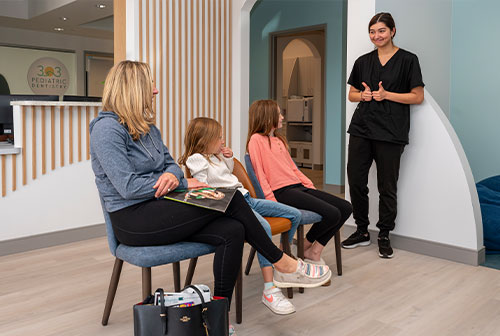
For as low as $39 per month, your child can get all the care they need for a healthy smile with our in-house membership plans. Get all the details, and see how you can save on the care your kiddos need.
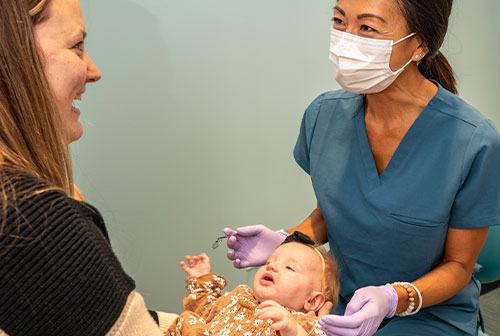
At 303 Pediatric Dentistry, we make life easier with online forms, text/email reminders, and kid-friendly amenities. Wondering what to expect when you bring your child in for their first appointment?

Enjoy a kid-friendly space with ceiling TVs, cozy blankets, headphones, and a fun play area. Parents can relax with a drink while our team provides expert care with advanced technology.