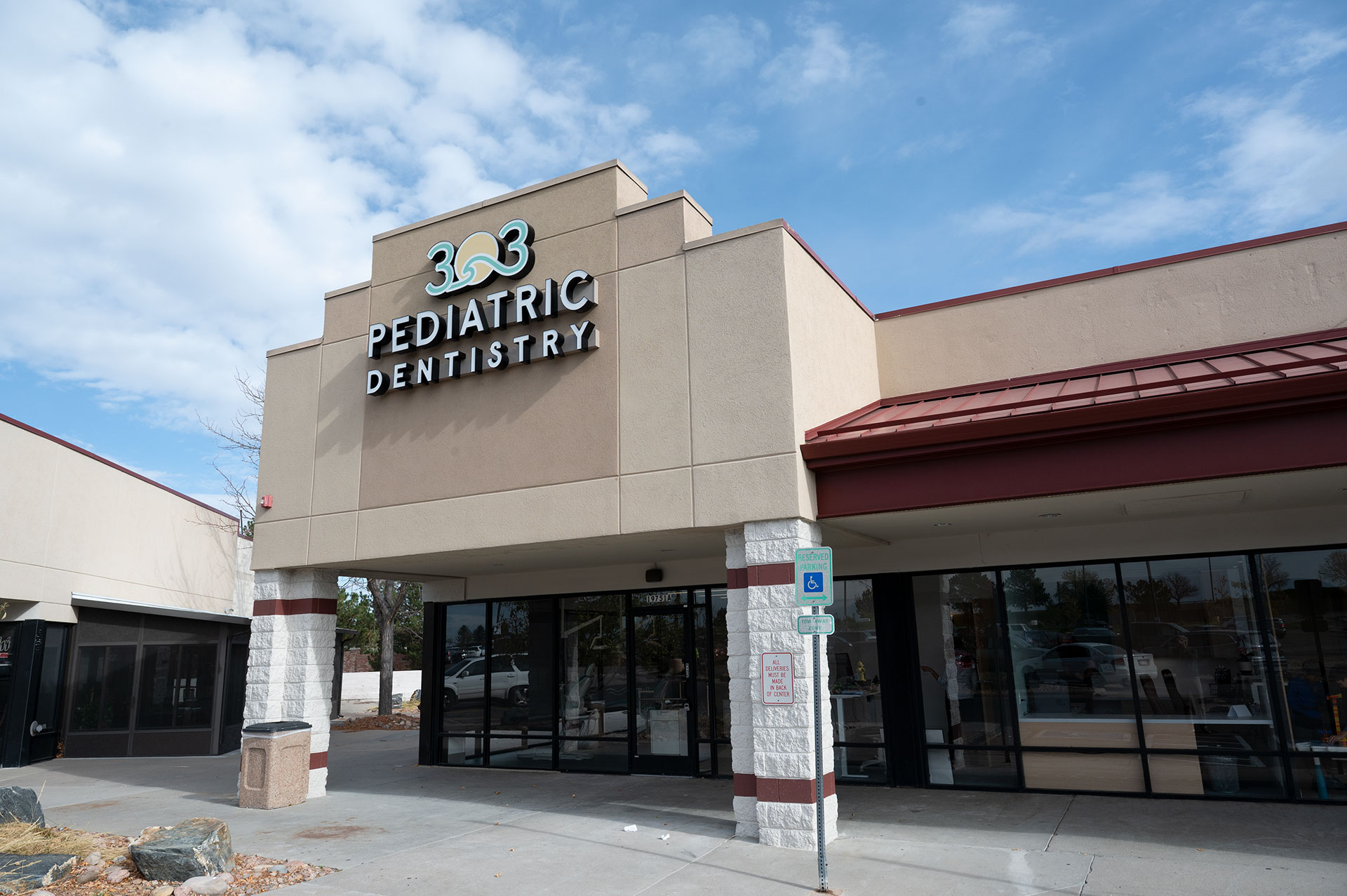
19751 E Smoky Hill Rd #A, Centennial, CO 80015


It can be normal for a child to sleep with their mouth open occasionally, especially when they have a stuffy nose. If it happens most nights, or comes with snoring, restless sleep, or pauses in breathing, talk with your child’s pediatrician.
Sleeping with an open mouth does not, by itself, mean a child has sleep apnea. At 303 Pediatric Dentistry, we can also discuss what you have noticed and check for oral health concerns, such as dry mouth, during your child’s dental exam.
Seeing your child asleep with their mouth open can leave you wondering whether they are breathing comfortably. An occasional night of mouth breathing is common when a cold makes it harder to breathe through the nose. If you notice it regularly, even when your child seems well, it is worth paying attention to the pattern and discussing it with their pediatrician.
An open mouth alone cannot tell you why your child is breathing that way. The most useful clues are how often it happens, whether your child snores or struggles to breathe during sleep, and how they feel during the day.
A blocked nose is one possible reason. Colds and allergies can make nasal breathing difficult, so a child may breathe through their mouth while sleeping. If the habit continues after congestion clears, there may be another reason their nose or upper airway is not allowing comfortable breathing.
Enlarged tonsils or adenoids can sometimes narrow a child’s airway, particularly during sleep. A pediatrician can examine your child and decide whether further evaluation is needed. It is difficult to identify the cause just by looking at the position of your child’s lips while they sleep.
Watch for mouth breathing that happens most nights, especially alongside frequent snoring, noisy breathing, gasping, or pauses in breathing. A child who tosses and turns, wakes often, or seems unusually tired in the morning may also need an evaluation.
Daytime signs can be less obvious. Some children with disrupted sleep have trouble concentrating or show changes in behavior rather than appearing sleepy. These symptoms can have many causes, but mentioning both the daytime changes and what you see at night gives your child’s pediatrician a clearer picture.
Mouth breathing does not automatically mean sleep apnea. Sleep apnea involves repeated interruptions in breathing during sleep and requires a medical evaluation to diagnose. If you see your child struggling to breathe, or their skin looks blue, gray, or unusually pale, seek emergency care immediately.
Breathing through the mouth can leave it feeling dry, especially upon waking. Saliva helps rinse the teeth and protect the mouth, so persistent dryness is worth mentioning at a dental visit. You may notice dry lips, a dry mouth in the morning, or a need to drink water soon after waking.
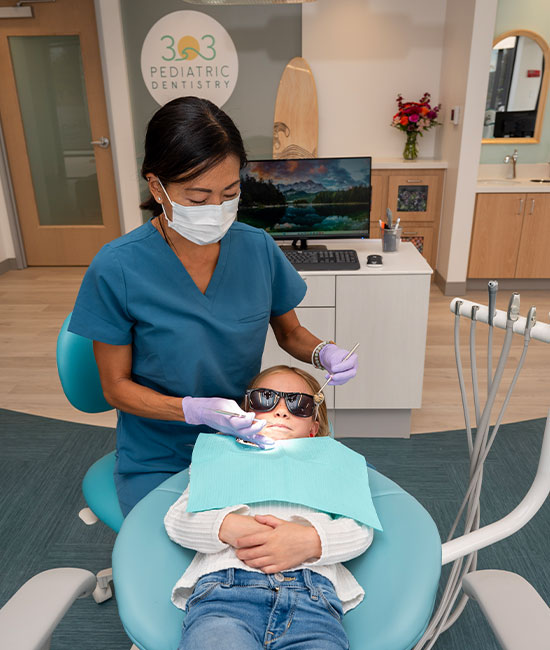
At 303 Pediatric Dentistry in Centennial, we can examine your child’s teeth and gums and ask about symptoms you have noticed at home. Regular pediatric dental exams give us a chance to spot oral health changes and discuss habits that may affect your child’s smile. If your concerns point to a breathing or sleep issue, your child’s pediatrician is the right person to assess that concern and guide the next steps.
Notice whether mouth breathing happens only during a cold or continues when your child’s nose is clear. Listen for snoring and note any gasping, pauses, or frequent waking. If the symptoms are hard to describe, a short recording of your child sleeping may help the pediatrician understand what you are seeing.
Avoid trying to make your child keep their mouth closed during sleep. The priority is to understand why they may be breathing through it, particularly if nasal breathing seems difficult.
An occasional open mouth during sleep is usually less concerning than a nightly pattern with snoring or disrupted breathing. You do not need to diagnose the cause yourself. Share what you have noticed with your child’s pediatrician, and bring up any dry mouth or other oral health concerns at their next visit with 303 Pediatric Dentistry.
For as low as $39 per month, your child can get all the care they need for a healthy smile with our in-house membership plans. Get all the details, and see how you can save on the care your kiddos need.
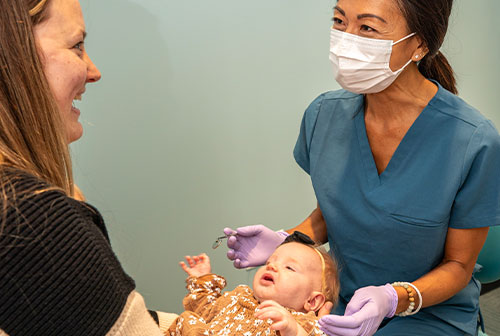
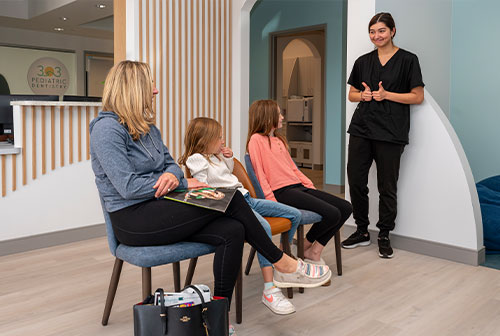
At 303 Pediatric Dentistry, we make life easier with online forms, text/email reminders, and kid-friendly amenities. Wondering what to expect when you bring your child in for their first appointment?
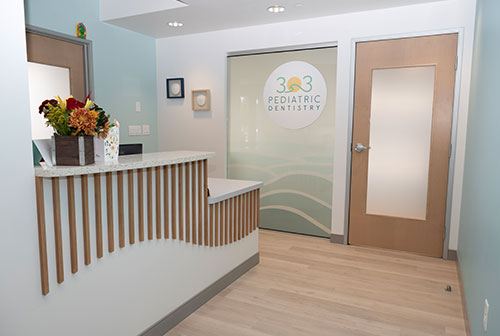
Enjoy a kid-friendly space with ceiling TVs, cozy blankets, headphones, and a fun play area. Parents can relax with a drink while our team provides expert care with advanced technology.